Certified Gentle Sleep Consultant Reveals the 7-Night Method That Ends Toddler Bedtime Battles and Finally Gets Exhausted Parents Sleeping Through the Night Again — Without Ever Leaving Their Child to Cry
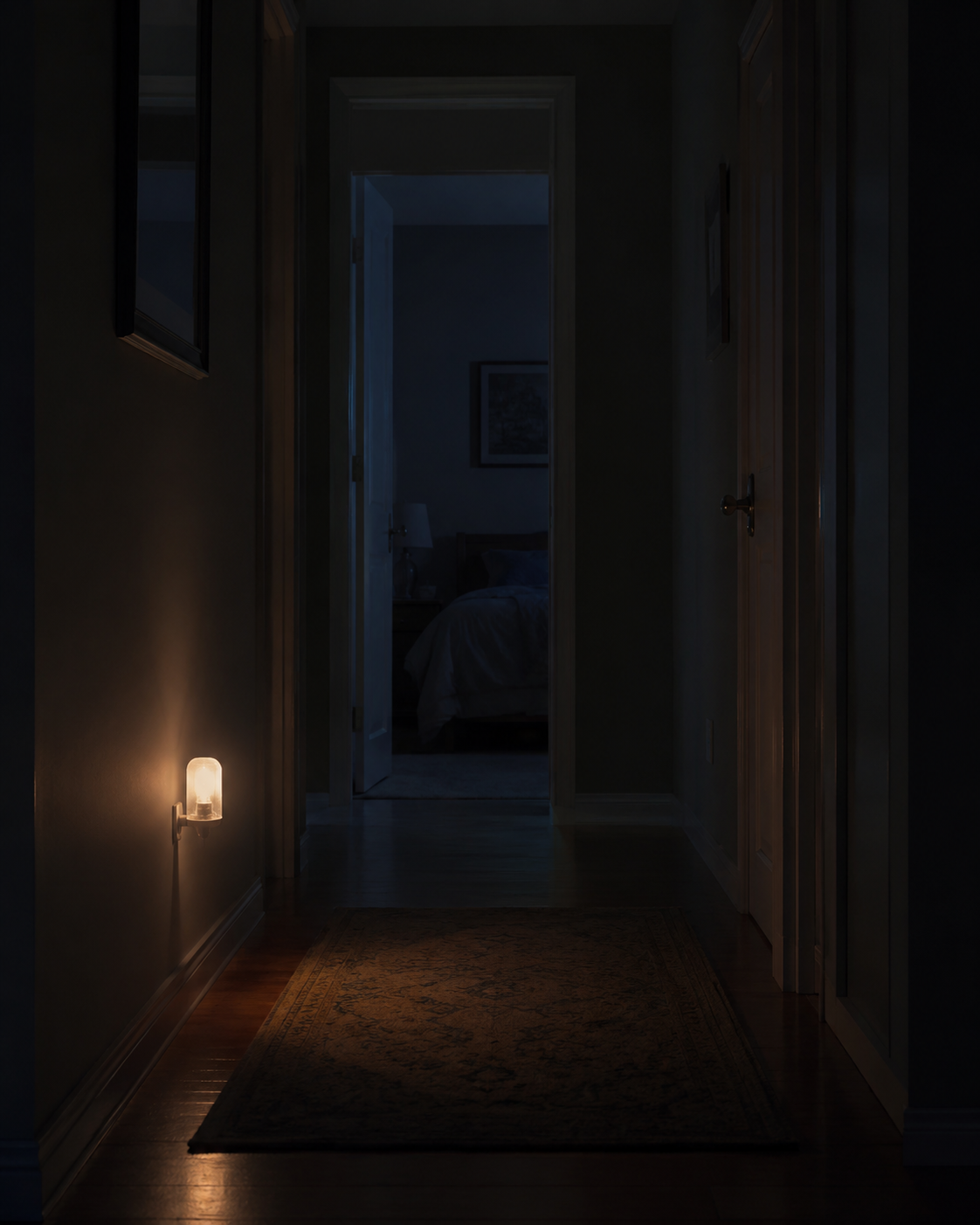
It's 2am. Again.
You're standing in the dark hallway outside your child's room, swaying on your feet, so tired your eyes are burning.
She's calling for you for the third time tonight. And you already know how this ends. She'll end up in your bed, you'll lie awake on the edge of the mattress, and tomorrow you'll do it all again.
"I can't keep doing this. I genuinely don't know how much longer I can function like this."
Bedtime has become the part of the day you dread most. Two hours of battling. The stalling, the crying, the climbing out of bed, the endless "one more" everything.
And then the night itself. Up at 1am. Up at 3am. Up before dawn.
You love your child more than anything in the world. But you are so tired you barely feel like yourself anymore. You snapped at her yesterday over something small, and then cried about it in the bathroom.
"What am I doing wrong? Why does everyone else's child seem to just sleep?"
You've read the free blogs. Followed the Instagram accounts. Tried the lavender, the blackout blinds, the white noise, the later bedtime, the earlier bedtime.
Some of it helped for a night or two. None of it fixed anything.
And the one method everyone keeps pushing, cry-it-out, you can't bring yourself to do. You tried once. You lasted twenty minutes before you went in, both of you in tears. That's not who you are as a parent, and you refuse to believe it's the only option.
So here you are. Exhausted, guilty, and quietly wondering if this is just your life now.
It isn't. And I need you to hear that.
- Two-hour bedtime battles
- Awake 3 or 4 times a night
- Everyone ends up in your bed
- Dreading 7pm every day
- Running on empty, snapping, guilty
- Calm 15-minute bedtimes
- Sleeping through the night
- Settling in their own bed
- Your evenings back again
- Rested, patient, enjoying your child
Your child is not broken. You are not a bad parent. You were simply never given a plan that actually works, from someone who refuses to let your child cry alone.
Give me the next few minutes and I'll show you exactly what changed everything, for me and for hundreds of families like yours.
Your child is not broken. You are not a bad parent. You were simply never given a plan that actually works.
Because I'm about to share the exact gentle 7-night method that ends the bedtime battles and gets your toddler sleeping through the night, without cry-it-out, and without you losing your mind.
First, let me tell you who I am, because I know you've been let down by advice before.

My name is Rebecca Hale. I'm a certified gentle sleep consultant and a mother of three.
I am NOT a doctor. I am NOT here to tell you to just be patient and wait it out. And I will never, ever tell you to close the door and let your child cry alone.
I'm a mum who lived exactly where you are right now, for far longer than I should have, before I finally figured out what actually works.

Let me take you back a few years, because if you don't know where I've been, my method won't mean anything to you.
My first two children slept fine. So when my third, my daughter Mia, didn't, I assumed it was a phase. A few rough weeks. It would pass.
It did not pass.
By the time Mia was eighteen months old, she had never once slept through the night. Not a single time. Bedtime took two hours on a good night. She woke every ninety minutes to two hours, all night, every night.
I was a wreck. My marriage was strained. I was making mistakes at everything because I couldn't think straight. And the guilt of being short-tempered with my kids when it wasn't their fault sat on me constantly.
"I have two other children who slept. Why can't I fix this one? What is wrong with me?"
I did what you've done. I read everything. I joined the forums. I followed the big-name sleep accounts.
And here's what I found. The advice fell into two camps, and both failed me.
Camp one was cry-it-out. Close the door, don't go back in, let them cry until they give up. I tried it for one night. Listening to Mia scream while I sat on the floor outside her door with my hands over my ears broke something in me. I couldn't do it. I still can't. If that's where you are, I understand completely, and this method is the opposite of that.
Camp two was the vague gentle advice. Be consistent. Have a routine. Be patient. All lovely words. None of it a plan. I already had a routine. I was already consistent. Consistency at doing the wrong things just gave me more consistent failure.
Here is everything I tried, and why each one let me down:
1. Later bedtimes. Everyone said she wasn't tired enough. So I pushed bedtime later. She became overtired, more wired, and harder to settle. It made everything worse.
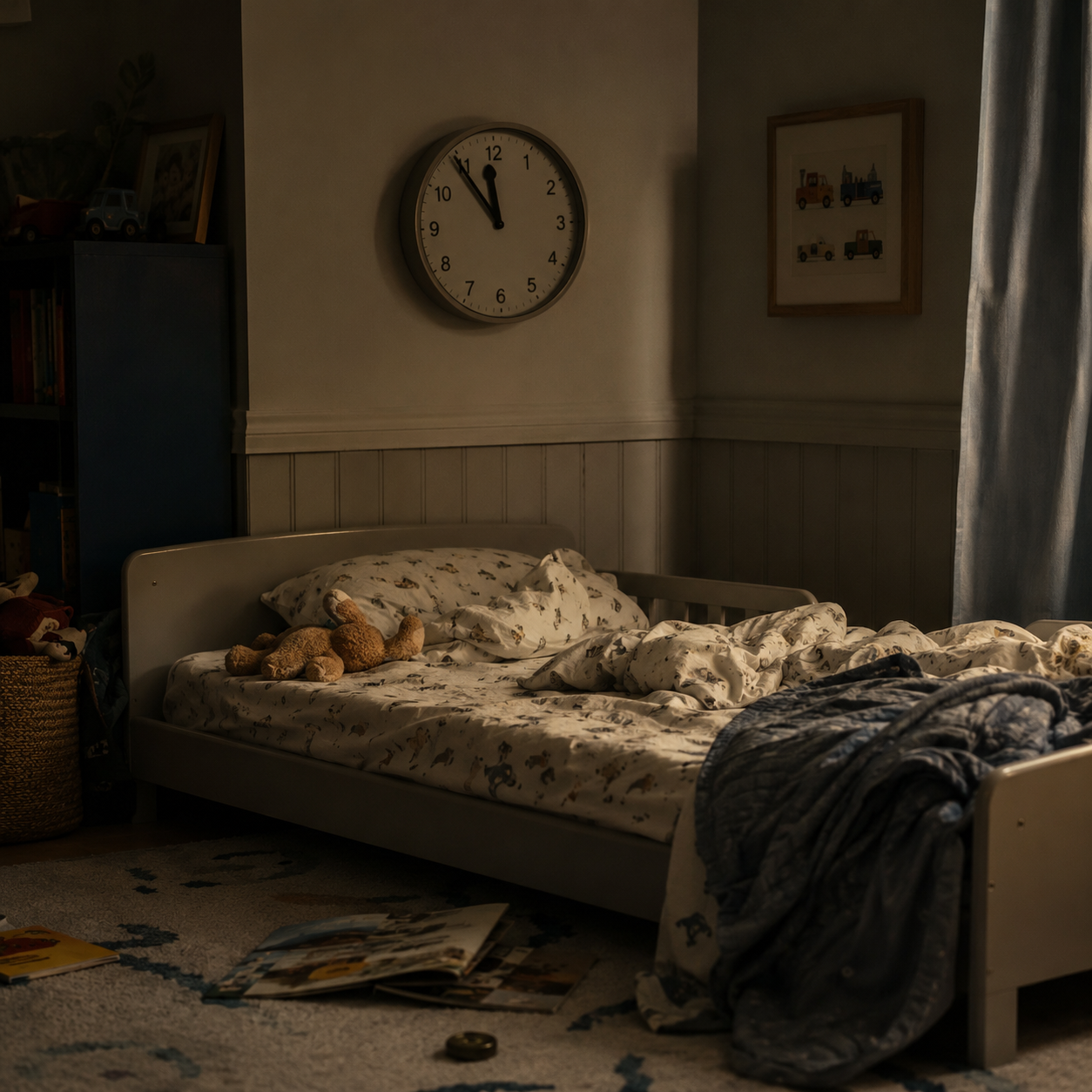
2. Dropping her nap. Same logic, same disaster. An overtired toddler doesn't sleep better. She falls apart faster.
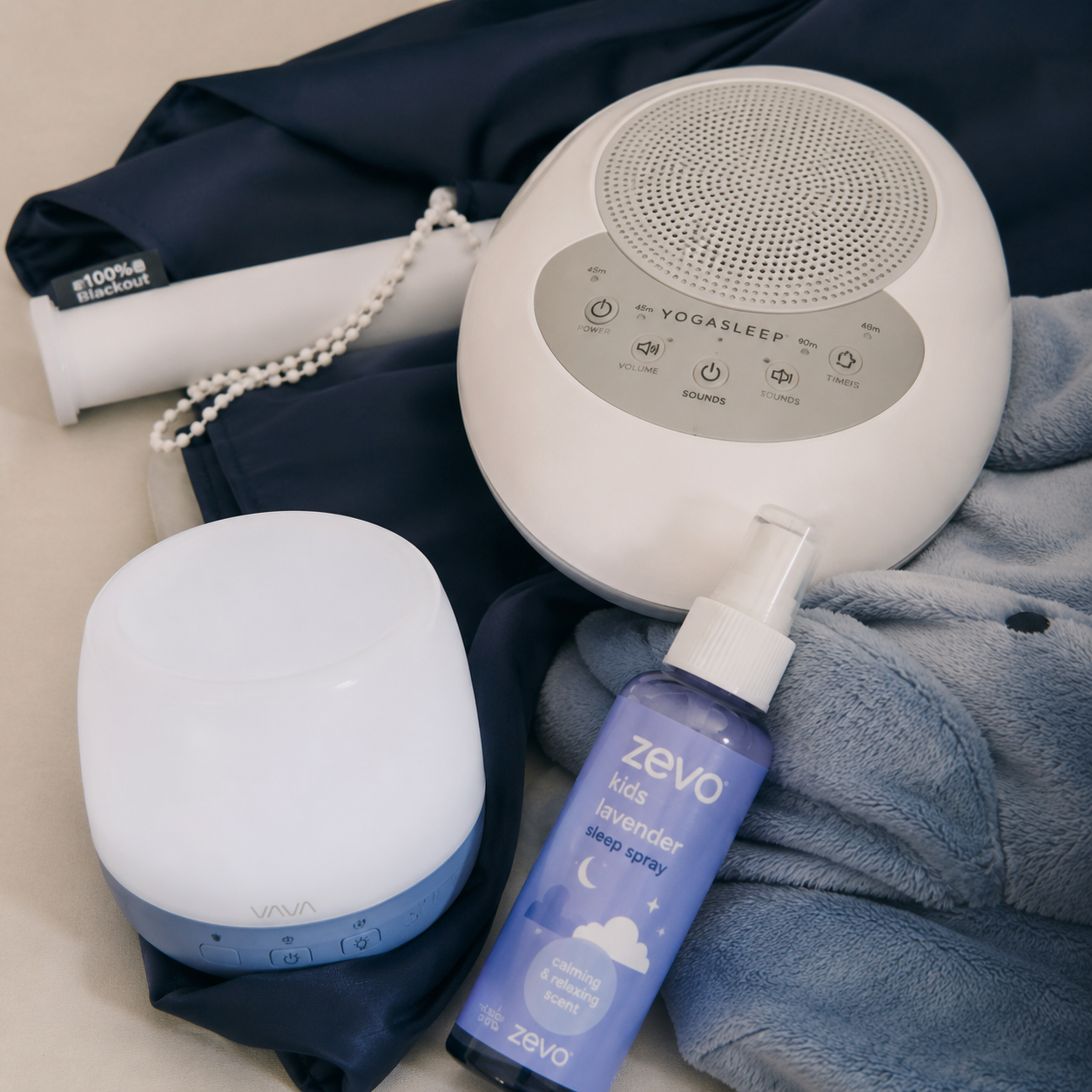
3. The gadgets. Blackout blinds, three different white noise machines, a colour-changing sleep clock, lavender everything. Small comforts. Zero real change.
4. Rocking and feeding to sleep. It worked to get her down, but she'd wake the moment I put her in the cot, or ninety minutes later, needing me to do it all again. I had become her only way to fall asleep.
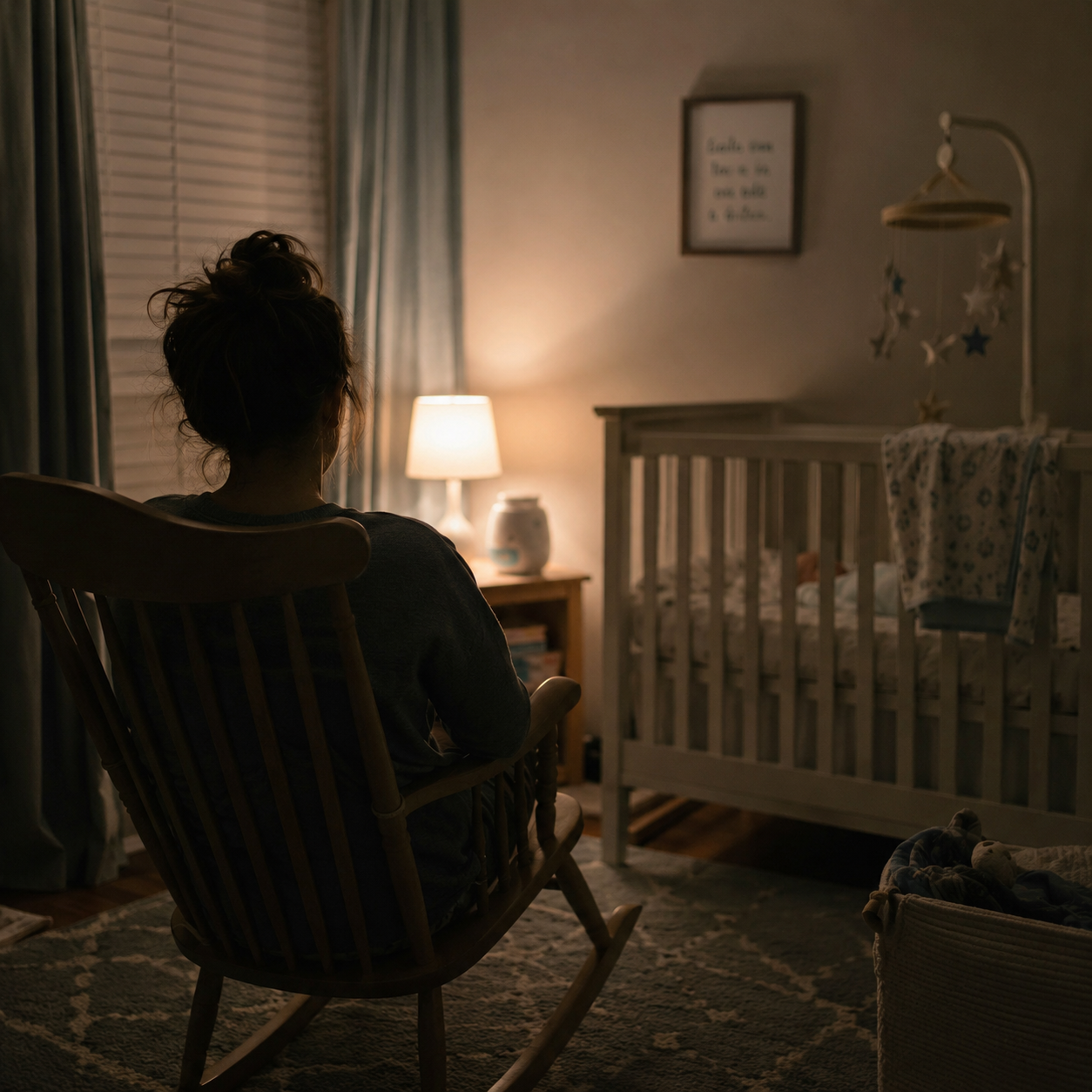
5. My doctor. "She's healthy. She'll grow out of it." Maybe true. But when? I couldn't wait years, and no exhausted parent should have to.

I was at the end of myself.
Then something shifted.
An older woman named Grace, a retired paediatric nurse I met through a friend, sat with me over coffee while I cried about it. She'd spent decades helping families with exactly this. And she said something I've never forgotten:
"You keep trying to make her sleep. You can't make a child sleep. What you can do is remove the things stopping her, and slowly teach her she's safe enough to do it herself. That is not cry-it-out. That is the opposite. You stay. You just change how you help."
She walked me through the principles over the following weeks. I refined them into a night-by-night plan I could actually follow when I was too tired to think.
The first two nights, I fixed only the timing and the setup. Nothing else. And bedtime was already calmer.
By night four, Mia was falling asleep without being rocked, with me sitting right beside her.
By night seven, she slept through. Actually through. From bedtime until morning.
I sat up in bed at 6am, confused, and checked the monitor twice because I couldn't believe it.
She has been a good sleeper ever since. And I never once left her to cry alone.
After that, friends started asking. Then friends of friends. I trained and certified as a gentle sleep consultant, and over the last few years I've walked hundreds of exhausted families through this exact method.
The messages I get back all say a version of the same thing:
"I got my child back. And I got myself back."
I can't sit across a coffee table from every tired parent who needs this. So I put the entire method into one simple, gentle, step-by-step guide you can start tonight.
Everything Grace taught me. Everything I refined through my own sleepless nights and hundreds of families since. The full plan, the exact scripts, the schedules, and the reassurance you need at 3am.
Introducing...
A Complete Gentle, No-Cry Sleep Plan for Exhausted Parents of Children Aged 1 to 4
The method works in three gentle phases
Inside this guide, you'll discover:
- ✓The Bedtime Reset Checklist that calms bedtime the very first night, by fixing the three timing and setup mistakes sabotaging almost every toddler's sleep. Most parents notice a difference before they even start the main method. Pg. 5
- ✓The 7-Night Gentle Method, laid out night by night, so you always know exactly what to do, where to sit, and what to say. No guessing, no improvising at 2am. Pg. 14
- ✓The real reason your toddler fights sleep, and why it's almost never what the blogs tell you. Once you see it, everything else makes sense. Pg. 9
- ✓The exact Night-Waking Response script, so when she wakes at 3am you know precisely what to do to settle her quickly without starting the cycle all over again. Pg. 28
- ✓Age-by-age ideal sleep schedules for 1, 2, 3 and 4 year olds, so you can see at a glance whether nap timing is quietly wrecking your nights. Pg. 34
- ✓The Regression Recovery plan for teething, illness, travel, and growth spurts, so one bad week never undoes all your progress. Pg. 41
- ✓How to end the early-morning 5am wake-up, one of the hardest sleep problems to crack, explained simply. Pg. 47
bedtime
fighting
faster
settling
wakings
stretches
through
And the best part? You never have to leave your child to cry alone. Not for one minute. This is a method built entirely on staying present while gently teaching your child they're safe enough to sleep. It's the same plan that worked for my Mia, and for hundreds of families since.
Real Parents. Real Results.
Just So You Know... A Private Session With a Sleep Consultant Costs Most Parents Over $297
I want to be honest with you about the value here.
- →A one-on-one consultation with me runs $297 for a single session
- →Most popular toddler sleep programs sell for $97 to $197
- →This guide contains the same complete method, laid out step by step
- →Plus two bonus guides that normally sell separately
- →And a full money-back guarantee, so the risk is entirely on me
But I remember being that desperate, exhausted parent counting every dollar. So I'm not charging anywhere near that.
You won't pay $197...
You won't even pay $49.97...
Today, the complete method plus both bonuses is just:
⚠️ This introductory price is for new readers only and won't last long.
Secure checkout | Instant digital delivery | Start the method tonight
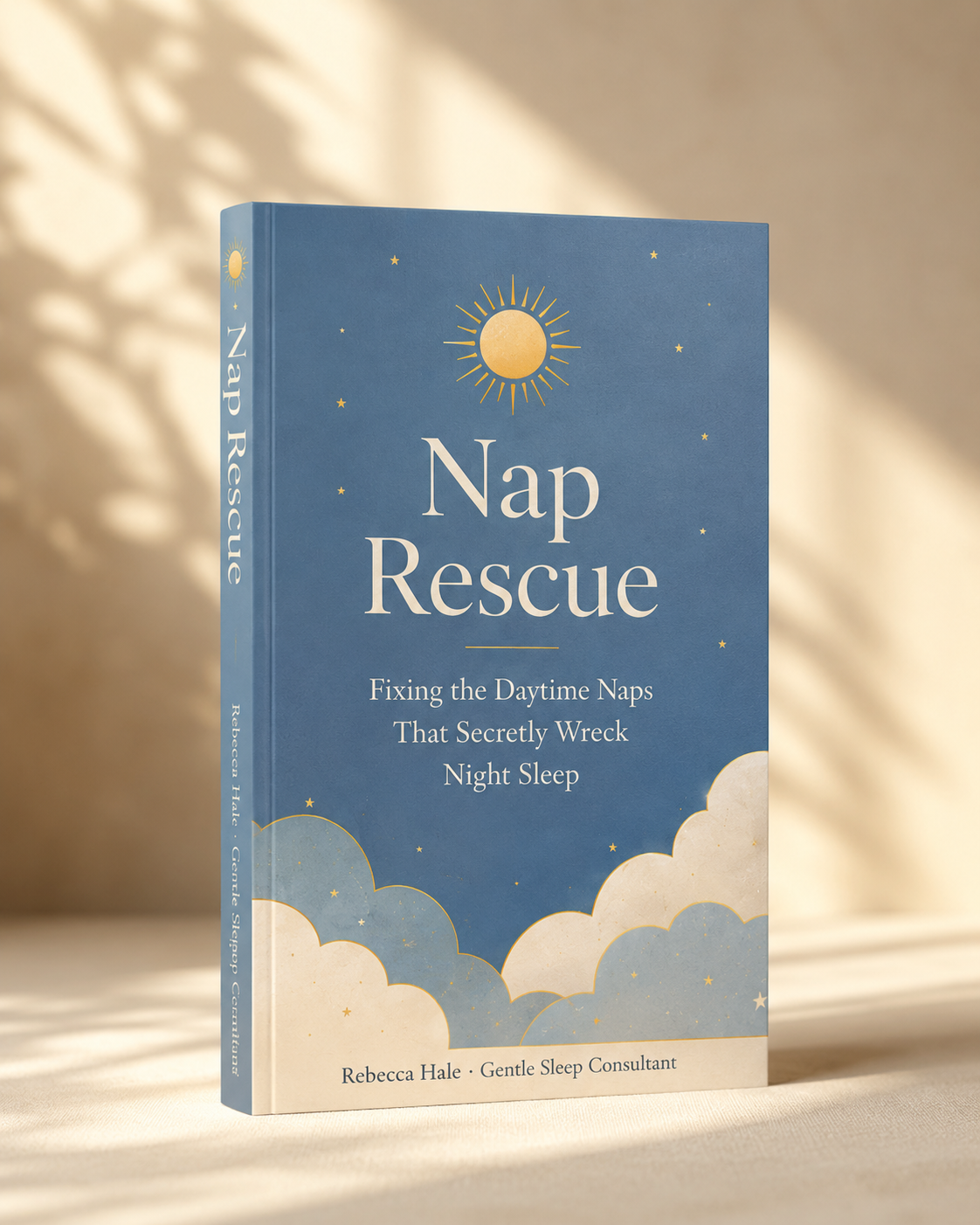
🎁 BONUS 1: Nap Rescue
Fixing the Daytime Naps That Secretly Wreck Night Sleep
The daytime piece almost every parent gets wrong. How to fix nap timing and length so your nights finally hold together. Night sleep and day sleep are connected, and this bonus closes the loop.
Value: $19.97 — Yours FREE today
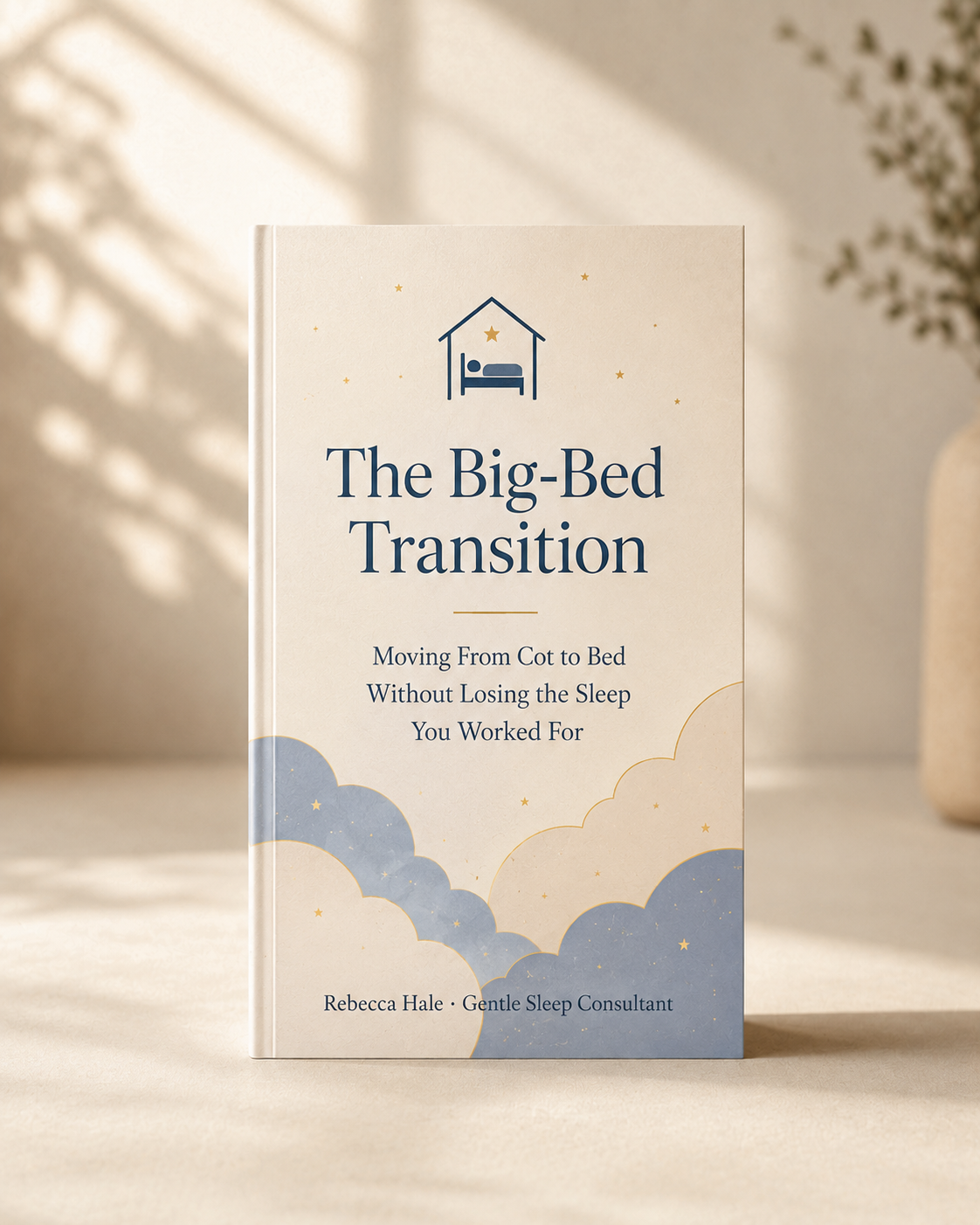
🎁 BONUS 2: The Big-Bed Transition
Moving From Cot to Bed Without Losing the Sleep You Worked For
The move from cot to a big bed undoes many families' hard-won progress. This short guide shows you exactly how and when to do it so your child's sleep stays rock solid through the change.
Value: $19.97 — Yours FREE today

Total Value: $87.91
You Pay Only: $17.97
Everything delivered instantly to your inbox
Instant access | Gentle, no-cry method | For toddlers aged 1 to 4
From our private parents' community 👇
You could be sleeping through within a week from tonight.
Just $17.97 today | Instant delivery
I know you've been disappointed before. So here's my promise to you.
Follow the method for 14 nights. If your child isn't sleeping better and you don't feel this guide was worth far more than you paid, email me and I'll refund every cent. No forms, no hassle.
I can promise that because I know what this method has done for hundreds of families. The only thing you risk by trying it is another sleepless night without it.
Protected by the 14-night money-back promise
I got my child back. And I got myself back.
More Tired Parents Who Finally Sleep
You have two options from here.
Get the guide. Run the Bedtime Reset Checklist before bed tonight and feel bedtime get calmer already. Follow the gentle 7-night plan and, like hundreds of families before you, get your child sleeping through, your evenings back, and yourself back. All without ever leaving your child to cry alone.
Go back to the 2am hallway. The two-hour bedtimes. The dread. The guilt of snapping when you're running on no sleep. Keep hoping she'll grow out of it one day, while the exhaustion keeps stealing the parts of parenting you actually wanted to enjoy. You already know whether waiting has been working.
Tonight can be the first night of the rest of your sleep.
✅ 14-Night Money-Back Promise | ✅ Instant Access | ✅ Gentle, No Cry-It-Out
Share Your Experience